
The Collection’s Moral Argument
The Tales of Beedle the BardThis flow traces how the collection repeatedly tests whether people use power with kindness, judgment, and humility.
increasing Bearing strength in each event
 decreasing
Bearing strength in each eventdecreasingGenerosity as a Beginning
Generosity as a Beginning
A guiding contrast
The introduction presents Beedle the Bard as a writer whose heroes are not defined by superior magical force.
The collection’s premise
Their kindness, common sense, and ingenuity repeatedly matter more than power.
The premise prepares readers to judge each tale by choices, not spell strength.
Help Refused
Help Refused
Inherited opportunity
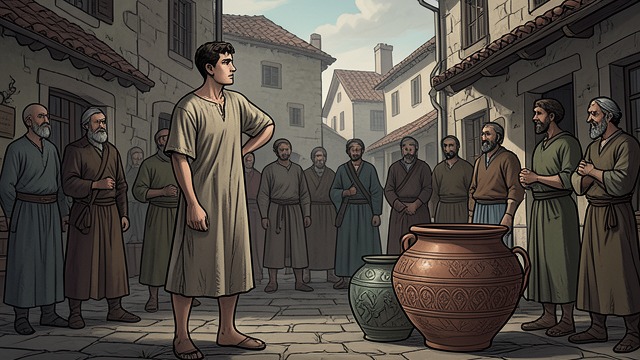
A kindly wizard leaves his son a pot and a slipper, hoping the son will never need the lesson.
A choice against compassion
The son dismisses villagers because he considers non-magical people beneath him.
His refusal turns inherited magic into an instrument of moral correction.
Misery Made Audible
Misery Made Audible
The pot’s protest
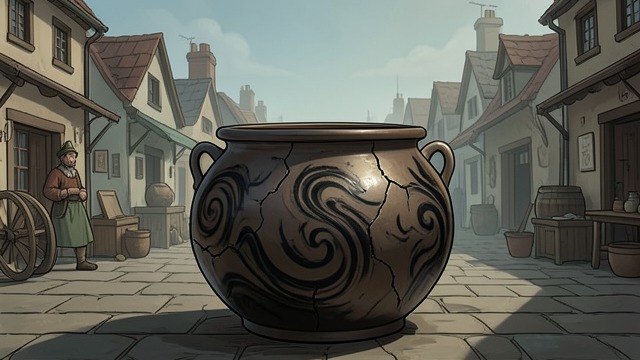
The pot takes on the villagers’ warts, hunger, sickness, and grief, making neglected suffering impossible to ignore.
Magic’s limits
The son cannot silence it with spells.
The accumulating disorder gives physical form to the harm caused by indifference.
Shared Effort Rewarded
Shared Effort Rewarded
Obstacles of character
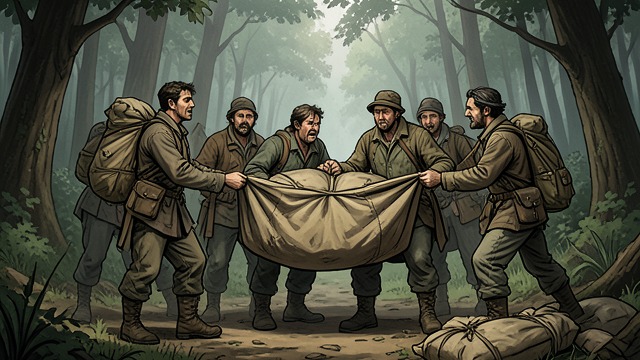
The travelers pass trials that demand tears, labor, and relinquished memories rather than superior spellwork.
Fortune redefined
Their cooperation resolves personal troubles before anyone reaches the Fountain.
The story makes good fortune emerge from what they give one another.
The Humbler Choice
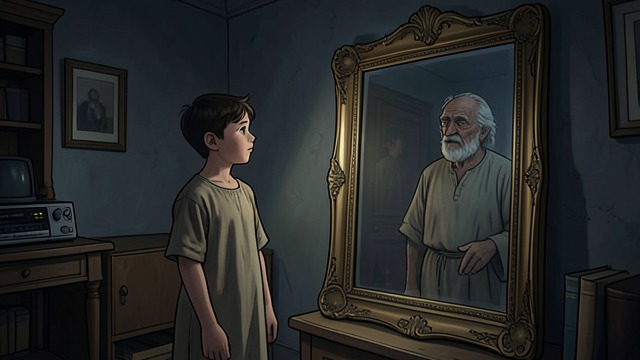
The Humbler Choice
A dangerous legend
Dumbledore observes that belief in mastering Death reverses the tale’s plain warning.
Wisdom without mastery
The youngest brother survives by seeking delay, not conquest.
The collection’s moral arc favors accepting limits over making power an answer to every fear.
At the opening of the introduction
At the opening of The Wizard and the Hopping Pot
Across the son’s first days of refusal
During the final climb in The Fountain of Fair Fortune
In Dumbledore’s concluding reflection on the final tale
